

Where Psychology Meets Real-Life Change
BLOGS/RESOURCES
Parenting Tips
Practical advice on common parenting challenges. Parenting is such a beautiful journey — full of love, learning, patience, and tiny unforgettable moments. Whether your child is a toddler or a teenager, here are some practical and heartfelt parenting tips to help you build a strong, happy bond with your child.
Parenting Tips
1. Build a Strong Emotional Connection
- Spend quality time daily, even if it’s just 20 minutes.
- Listen without interrupting.
- Hug often — physical affection builds security
Children who feel emotionally safe grow more confident and expressive.
2. Communicate Openly
- Encourage your child to share feelings.
- Avoid harsh criticism; guide with calm words.
- Be approachable so they don’t fear telling you the truth.
Remember: A child who feels heard becomes a child who trusts.
3. Set Clear Boundaries
- Be firm but kind.
- Explain why rules exist.
- Stay consistent — mixed signals confuse children.
Discipline should teach, not punish.
4. Lead by Example
Children copy what they see
If you want respect, kindness, and honesty — show it first.

Mental Health Awareness:
Articles on emotional well-being for children and parents. Mental Health Awareness for Children is very important for their emotional, social, and psychological development. When children understand their feelings and know how to manage them, they grow into confident and healthy adults.

Mental Health Awareness:
1. Teach Children About Emotions
Help children understand and name their feelings.
- Happy
- Sad
- Angry
- Scared
Encourage them to say things like “I feel sad” or “I feel worried.” This helps them healthily express emotions.
2. Encourage Open Communication
Create a safe space where children can talk freely.
- Listen without judging.
- Avoid scolding when they share feelings.
- Let them know their emotions are valid.
Children who feel heard are more emotionally secure.
Career Guidance
Insights on choosing the right career path and dealing with academic pressures. Guiding a child toward the right career is one of the most meaningful roles parents and educators can play. The goal isn’t to choose a career for the child, but to help them discover their strengths, passions, and opportunities.
Career Guidance
1. Identify the Child’s Interests
Every child has unique interests and talents.
Parents should observe:
- What subjects do they enjoy most in school
- Activities they love doing in their free time
- Skills they naturally perform well in
When children pursue careers aligned with their interests, they stay motivated and confident.
2. Understand Strengths and Personality
Different children have different abilities.
Examples:
- Creative children → Design, arts, media
- Analytical thinkers → Engineering, technology
- Social communicators → Teaching, management, marketing
- Problem solvers → Science, research, medicine
Understanding personality helps match a child with suitable career paths.
3. Introduce Children to Various Career Options
Many children only know about a few careers, like a doctor or an engineer.
Parents and teachers should introduce them to fields such as:
- Digital marketing
- Artificial intelligence
- Data science
- Entrepreneurship
- Environmental science
- Sports and fitness
Exposure broadens their perspective and reduces confusion later.

Understanding Your Child’s Emotions

Understanding Your Child’s Emotions
Children experience strong emotions but often don’t know how to express them. Parents can help by teaching children to identify and communicate their feelings. Encouraging open conversations, validating emotions, and listening without judgment helps children feel safe and supported. When parents acknowledge emotions instead of dismissing them, children develop better emotional regulation and confidence. Understanding your child’s emotions is an important part of healthy parenting. Children often experience strong feelings such as happiness, sadness, anger, or fear, but they may not always know how to express them properly. Parents can help by listening patiently, acknowledging their child’s feelings, and encouraging open communication. When children feel understood and supported, they develop emotional confidence and learn how to manage their emotions healthily. By creating a safe and loving environment, parents can help their children grow into emotionally strong and confident individuals.
The Power of Positive Parenting
The Power of Positive Parenting
Positive parenting focuses on raising children with love, patience, and understanding rather than strict punishment. It encourages parents to guide their children through support, clear communication, and positive reinforcement. When parents appreciate good behaviour and listen to their children’s feelings, it helps build trust and emotional security. This approach not only strengthens the parent–child relationship but also helps children develop confidence, responsibility, and healthy social skills as they grow. Positive parenting focuses on guidance rather than punishment. Instead of yelling or criticising, parents can encourage good behaviour through praise, clear expectations, and gentle discipline. Children raised in positive environments tend to develop stronger self-esteem and healthier relationships with others.

Building Strong Parent–Child Relationships

Building Strong Parent–Child Relationships
A strong emotional bond between parents and children is the foundation of healthy psychological development. Spending quality time together, engaging in meaningful conversations, and showing affection regularly can strengthen this relationship. Children who feel connected to their parents are more likely to trust them and seek their advice. Building a strong parent–child relationship is essential for a child’s emotional and social development. When parents spend quality time with their children, listen to their thoughts, and show love and support, it creates a deep sense of trust and security. Open communication and understanding help children feel comfortable sharing their feelings and challenges. A positive and caring relationship with parents helps children grow into confident, responsible, and emotionally healthy individuals. Building strong parent–child relationships is essential for a child’s emotional growth and overall well-being. When parents spend quality time with their children, listen to their thoughts, and show love and understanding, it creates a sense of trust and security. Open communication and support help children feel comfortable sharing their feelings and challenges. A strong bond between parents and children encourages confidence, strengthens family connections, and helps children develop healthy emotional and social skills.
Helping Children Manage Stress and Anxiety
Helping Children Manage Stress and Anxiety
Children can experience stress due to school pressure, social situations, or family changes. Parents can support their children by teaching coping techniques such as deep breathing, creative activities, and problem-solving skills. Creating a calm and supportive home environment also helps children manage stress more effectively. Children can experience stress and anxiety due to school pressure, social challenges, or changes in their environment. Parents can support them by creating a calm, supportive atmosphere where children feel safe sharing their feelings. Encouraging open communication, teaching relaxation techniques such as deep breathing, and promoting activities like play, exercise, and creative hobbies can help children cope with stress. With understanding and guidance from parents, children can learn healthy ways to manage their emotions and build emotional resilience. Children may experience stress and anxiety due to schoolwork, friendships, or changes in their daily routine. Parents can help by paying attention to their child’s feelings and offering reassurance and support. Talking openly about problems, encouraging relaxation activities like drawing, playing, or spending time outdoors, and maintaining a healthy daily routine can reduce stress. When children feel understood and supported, they learn positive ways to handle challenges and develop stronger emotional resilience.
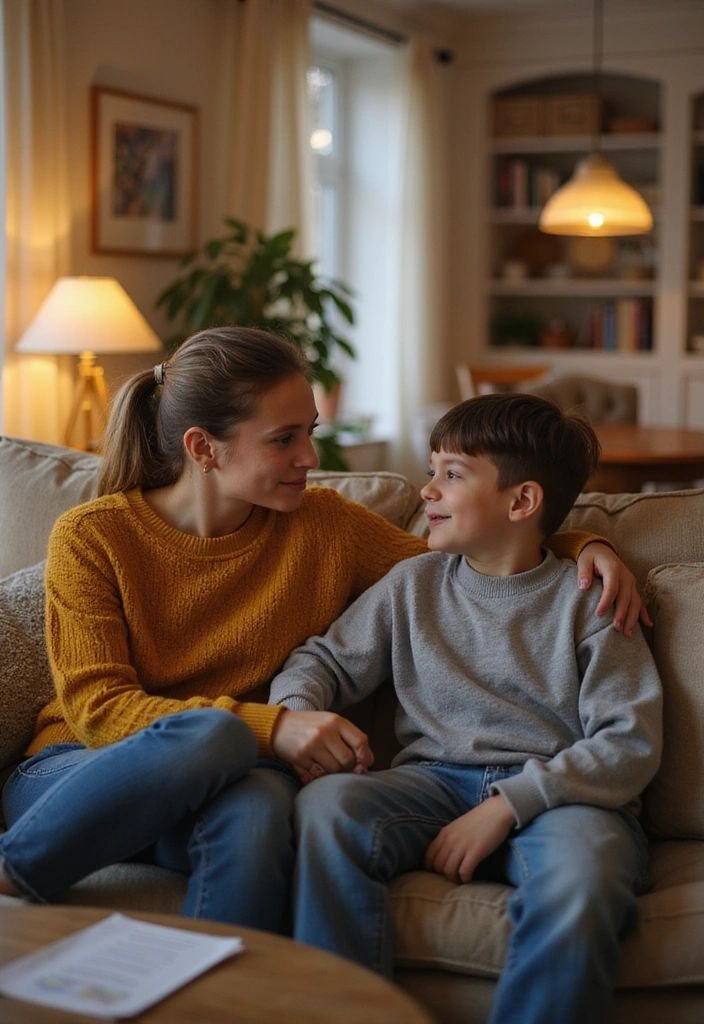
Encouraging Healthy Self-Esteem in Children

Encouraging Healthy Self-Esteem in Children
Self-esteem plays a major role in a child’s psychological development. Parents should celebrate their child’s efforts rather than focusing only on achievements. Avoiding comparisons and encouraging independence helps children develop confidence and resilience. Encouraging healthy self-esteem in children is essential for their emotional growth and confidence. Parents can help by appreciating their child’s efforts, supporting their interests, and celebrating small achievements. When children feel valued and accepted, they begin to believe in their abilities. Avoiding constant comparisons with others and providing positive encouragement helps children develop a strong sense of self-worth. With love, guidance, and support, children grow into confident individuals who are ready to face challenges in life. Healthy self-esteem helps children believe in themselves and feel confident in their abilities. Parents can support this by giving positive encouragement, recognising their child’s efforts, and allowing them to make small decisions on their own. When children are trusted and appreciated, they develop a stronger sense of self-worth. Creating a supportive environment where mistakes are treated as learning opportunities helps children grow with confidence and a positive mindset. Encouraging healthy self-esteem in children helps them grow into confident and emotionally strong individuals. Parents can support this by appreciating their child’s efforts, encouraging their talents, and providing positive feedback. When children feel valued and supported, they begin to believe in their abilities and develop a positive self-image. Allowing them to learn from mistakes and celebrate small achievements also helps build confidence and resilience, preparing them to face challenges with a positive attitude.
The Impact of Parental Behaviour on Child Psychology
The Impact of parental behaviour on child psychology
Children learn by observing their parents. The way parents handle emotions, conflicts, and challenges influences a child’s behaviour and mindset. Demonstrating patience, empathy, and problem-solving skills helps children develop similar qualities. Parental behaviour plays a significant role in shaping a child’s psychology and emotional development. Children often learn by observing their parents’ actions, attitudes, and reactions to different situations. When parents demonstrate patience, kindness, and respect, children are more likely to adopt these positive behaviours. On the other hand, constant criticism or harsh discipline can affect a child’s confidence and emotional well-being. By modelling positive behaviour and providing a supportive environment, parents can help children develop healthy thinking patterns, strong self-esteem, and positive social skills.

Managing Screen Time for Healthy Mental Development

Managing Screen Time for Healthy Mental Development
Excessive screen time can affect children’s mental and emotional health. Parents should encourage outdoor play, hobbies, reading, and social interaction. Setting healthy digital boundaries helps children develop balanced lifestyles. Managing screen time is important for a child’s healthy mental and emotional development. While digital devices can be useful for learning and entertainment, excessive screen time may affect sleep, concentration, and social skills. Parents should encourage a balanced routine that includes outdoor play, reading, creative activities, and family interaction. Setting clear limits on device use and guiding children toward positive online content can help maintain a healthy balance. With proper management, children can enjoy technology while still developing strong mental and social skills.